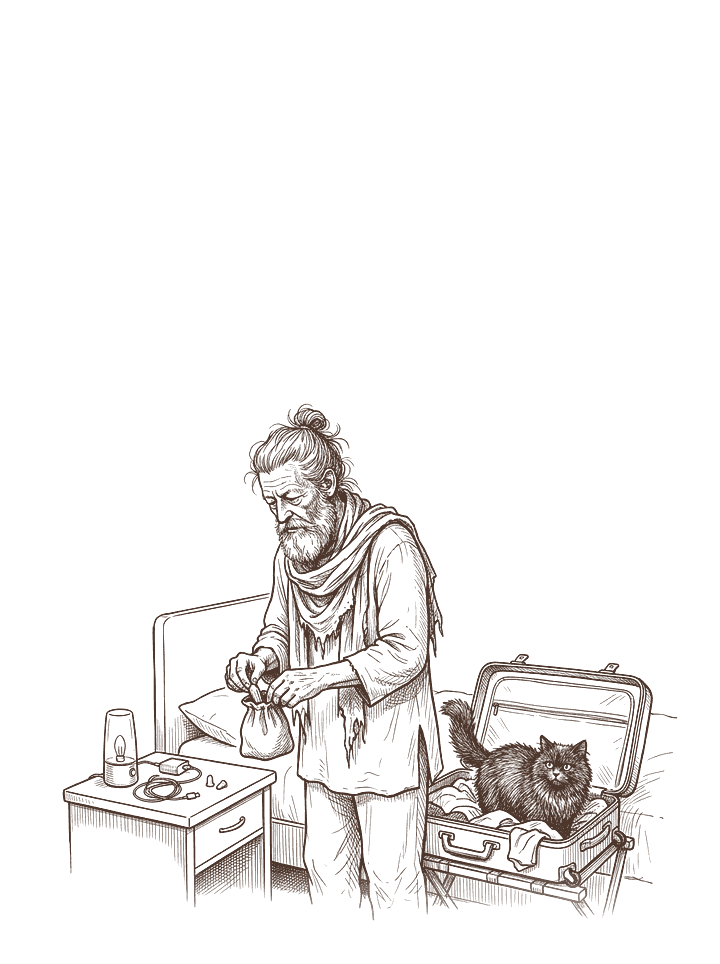
Before sleeping away from home, settle the practical details: ask about the sleeping arrangement and how late check-in or entry works, pack one easy-to-reach pouch with sleepwear, toiletries, glasses and a charging cable and adapter you have tested at home, and bring two or three familiar parts of your usual bedtime. On arrival, give those items a place and keep the route between the bed, bathroom and exit clear.
At home you know where the switch, charger and first things you need are. An overnight stay changes that arrangement. Prepare those details before a family visit, wedding or work trip so you are not working them all out when you want to go to bed.
Follow the visit in order: ask the host what matters before leaving, pack the things you will need first, then give them a place when you arrive. The checklist ends with departure, when chargers and small items are easiest to leave behind.
Ask a few specific questions before packing
Look past the room photographs. Confirm the sleeping arrangement, bathroom access and anything you need to move comfortably through the property. A listing that says “sleeps four” does not tell you which person gets the sofa bed.
If stairs, a high bed or a long walk from parking would complicate your stay, ask about those details directly. Request an accessible room when you need one, then confirm the particular features you rely on rather than assuming the label covers them.
For a hotel, ask when reception closes and how late check-in works. For a rental or family visit, establish who will let you in and where to call if the entry instructions fail. Save the address, contact number and access instructions somewhere you can open without an internet connection. Keep door codes private.
If you want a particular pillow or extra bedding, ask ahead. A clear request gives your host time to respond and helps you decide what deserves suitcase space.
Keep a few familiar parts of bedtime
Choose two or three ordinary things that help you settle at home and are easy to take with you: your usual sleepwear, a familiar book, or an eye mask you already use comfortably. You do not need to buy a travel sleep kit. If you normally use earplugs or an eye mask, consider whether you still need to hear an alarm, a child or a call for help in the new setting.
Ask what the evening and morning will actually look like. A late group dinner followed by an early departure can leave little time available for sleep. Agree on when you will leave the shared activity, and put getting ready for the next morning before your intended bedtime where possible. The CDC recommends a regular sleep schedule and a quiet, comfortable bedroom; your travel version may need to be simpler than your home setup. CDC: About Sleep
Make one first-night pouch
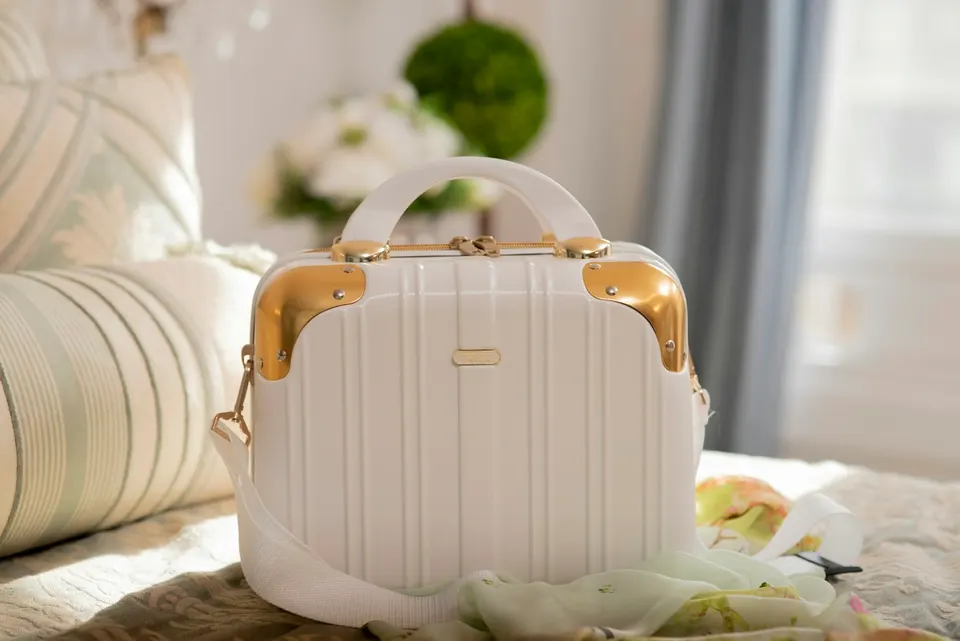
Gather the small items you would otherwise have to hunt for across several bags. Depending on your usual needs, this might include:
- Sleepwear and the next morning’s underwear
- Toothbrush and a small set of toiletries
- Glasses and their case
- Your usual overnight personal items and their storage cases
- A charging cable and the correct wall adapter
- A small bag for items used during the night
Keep this pouch easy to reach. If you are checking luggage, put essential first-night items in your cabin bag within the applicable baggage rules. For a road trip, keep them in the bag you will actually carry into the room.
Try packing it once before departure. If closing the pouch requires a struggle, remove duplicates. A small, usable kit is easier to keep track of than a collection of possible extras.
Check power before leaving
Match each device to its charger and test the combination at home. A familiar-looking connector does not mean you have packed the cable you intended. Label similar cables if that would save confusion.
Before taking equipment overseas, compare the destination’s sockets with the voltage requirements on the actual device. Follow its manufacturer’s directions for adapters or converters. If you rely on equipment overnight, confirm the room’s power arrangement before booking rather than leaving that question for arrival.
Flying with a power bank? The U.S. Federal Aviation Administration says portable rechargers and spare lithium batteries belong in accessible carry-on baggage, not checked luggage. If your cabin bag is checked at the gate, remove those items and keep them with you. Check the current airline and battery-specific requirements before flying. FAA battery guidance
Do an arrival walk-through
Before opening every bag, locate the bathroom, room controls, outlets and the place you will leave your keys or key card. Ask how unfamiliar controls work while help is available. Check that the bed arrangement and any requested accessibility features match your booking.
Give emergency information a moment of attention, too. For hotels, the U.S. Fire Administration advises reading the evacuation plan, finding the two closest exits and counting the doors between your room and those exits. For vacation rentals, its guidance includes knowing the address and escape routes, and checking for working smoke and carbon monoxide alarms. Hotel and vacation rental safety
Raise missing essentials or safety concerns promptly with the property manager. If a problem cannot be resolved, ask about a suitable alternative room or accommodation rather than improvising around it.
Give each essential a place
Choose one reachable spot for glasses, keys and the other items you may need during the night. Put cases beside the objects they belong to. A small pouch can serve as a temporary organizer, especially when the furniture offers little storage.
Keep luggage, shoes and charging cables out of the route between the bed, bathroom and exit. Use an available shelf or luggage stand where practical. Avoid stretching a cable across a walkway just to keep everything together.
Unpack enough to function comfortably. On a one-night stop, that may mean only the first-night pouch and tomorrow’s clothes. On a longer stay, choose a drawer or shelf for your belongings and a separate place for used clothing.
Make the morning easier to manage
Ask about departure while you still have time to change the plan: checkout, returning the key, locked gates and reception hours. Keep the travel documents with the bag you will take first so an early start does not become a search through the room.
Make one last circuit of the bathroom shelf, bedside surface, outlets, bedding and luggage area. Look for cables as well as devices. At home, replace what was missing from the first-night pouch while you remember it; keep the useful arrangement for another stay.
From Pavel’s experience
Personal experience — Pavel Rachkouski, founder. One person’s notes, not advice.
I try to keep a routine: up at 6, in bed by 10. It doesn’t always work; sometimes it’s later. I aim for eight hours, never more, sometimes less. Nothing helps me fall asleep; I simply switch off. I am busy all day and so tired that about two and a half minutes after lying down I’m asleep. But in the first days in a new place, unless I wear myself out completely, I can’t fall asleep.
In the mountains I have never taken a tent: always a blanket or a throw, I set up on it and slept. I have slept in the mountains in Turkey, near Fethiye, in the mountains of Antalya and near Kemer. Nothing bothered me; when I set out, I was ready, like a warrior. I take water, food, tea, a backpack and a yoga mat: the mat goes underneath, a throw on top, you wrap yourself in the throw and sleep. There is always a fire when I go to the mountains. Up high, sipping tea, I feel as if I were born again: nature, fresh air, the smell, the birds. You wake up with a fresh head.
For years I slept in shared rooms where the light was on all night and it was never quiet, and not everyone went to bed at 10. Earplugs made my ears hurt, so I got rid of them and learned to sleep without them. The eye mask was so-so. I drank some calming herbal blends too; I don’t remember their names.

Frequently asked questions
What should I pack for the first night away?
One small pouch with sleepwear and the next morning’s underwear, a toothbrush and a small set of toiletries, glasses and their case, your usual overnight personal items and a charging cable with the correct wall adapter. If you are checking luggage, keep these items in your cabin bag within the applicable baggage rules.
Do I need a travel sleep kit?
No. Choose two or three ordinary things that help you settle at home: your usual sleepwear, a familiar book or an eye mask you already use comfortably.
Can I pack a power bank in checked luggage?
No. The U.S. Federal Aviation Administration says portable rechargers and spare lithium batteries belong in accessible carry-on baggage, not checked luggage.
What should I check when I arrive in the room?
Locate the bathroom, room controls, outlets and the place for your keys or key card, and give night-time items one reachable spot. In a hotel, the U.S. Fire Administration advises reading the evacuation plan and finding the two closest exits.
How can I sleep better in a hotel room?
Plan the arrival and keep a few familiar parts of bedtime. Ask when reception closes and how late check-in works, ask ahead if you want a particular pillow or extra bedding, and take two or three ordinary things that help you settle at home, such as your usual sleepwear, a familiar book or an eye mask you already use comfortably. If you normally use earplugs or an eye mask, consider whether you still need to hear an alarm or a call for help.
Why is it hard to sleep the first night in a new place?
Sleep researchers call troubled sleep in a new environment the first-night effect. In a 2016 Brown University study, a network on one side of the brain slept less deeply on the first night and reacted more strongly to unusual outside signals, as if keeping watch over unfamiliar surroundings; the difference was not seen in later sleep sessions. Bringing two or three familiar parts of your usual bedtime is one practical step this guide suggests.
What helps on a first night away from home?
Pack one easy-to-reach pouch with sleepwear, toiletries, glasses and a charging cable, and bring two or three familiar parts of your usual bedtime, such as an eye mask you already use comfortably. If you normally use earplugs or an eye mask, consider whether you still need to hear an alarm, a child or a call for help in the new setting. On arrival, give night-time items one reachable spot and keep the route between the bed, bathroom and exit clear.